
Images on this page can be clicked to view a larger version.
Reconnect with your body.
Chiropractic care for back and neck pain, joint problems, pregnancy and postpartum needs, sports, pediatric care, and physical conditioning.
Gentle, individualized care based on careful assessment. English consultations available.
At Suto Healing Center, we look beyond the place where you feel pain. We believe it is important to look at the body as a whole, including joint movement, muscles, neurological function, posture, balance, movement patterns, and the context of your daily life.
We support a wide range of needs, including neck and lower-back concerns, problems involving the shoulders, elbows, wrists, hips, knees and ankles, pregnancy and postpartum changes, sports-related needs, physical function in growing children, health maintenance and conditioning.
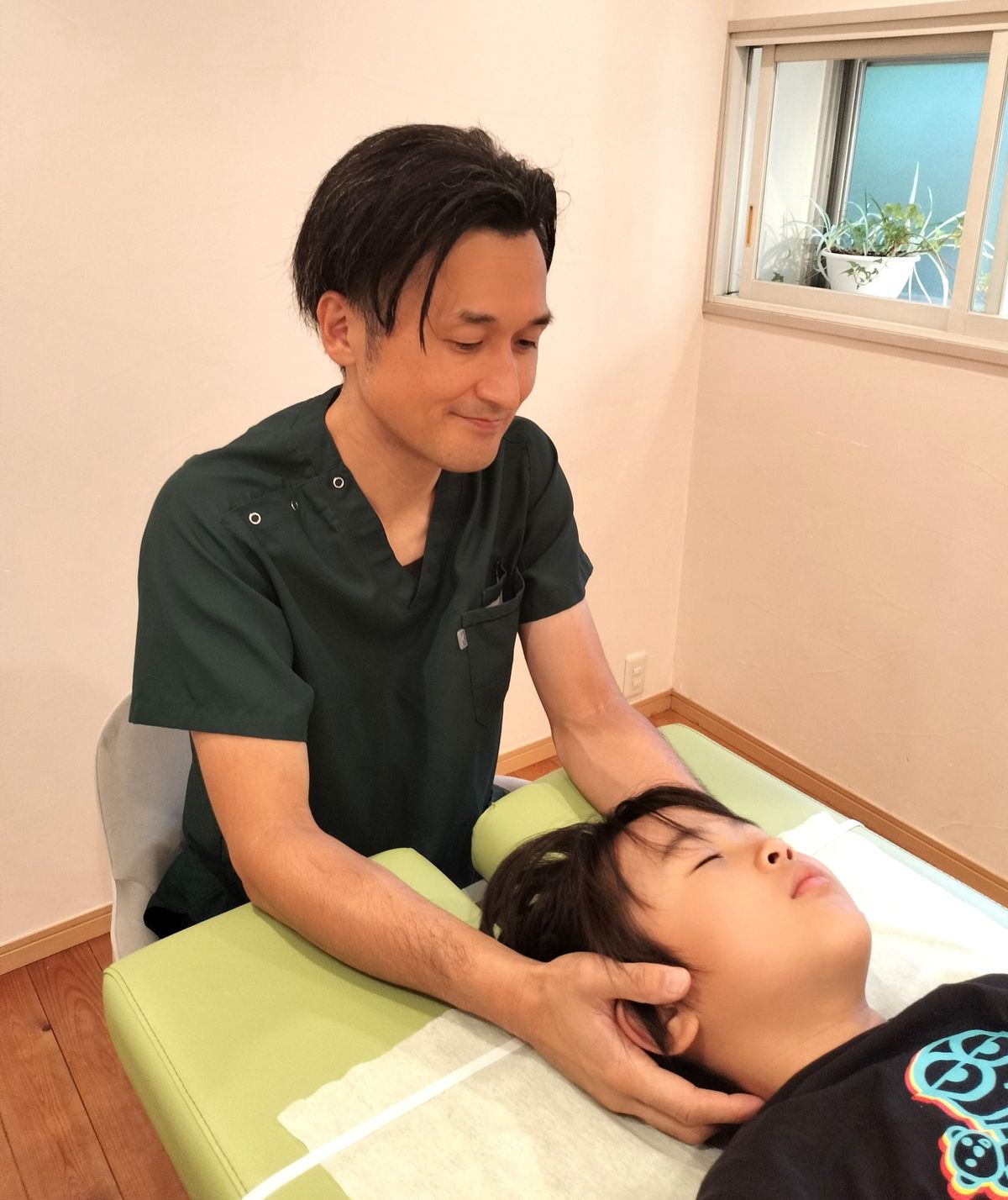
 To understand the body is to understand the person.
I believe that the body and mind are connected.
When we are in pain or physically uncomfortable, our mood may drop, we may become more irritable, or we may find it harder to feel motivated. Many of us have experienced this in one form or another.
The connection can also work in the other direction. During periods of strong emotional stress, sadness or anxiety, the body may become tense, breathing may become shallower, muscles may tighten, and pain or discomfort may feel more noticeable.
Pain and physical discomfort can be very difficult. At the same time, they can sometimes become an opportunity to pay attention again to a body that we may have taken for granted.
Muscle tension, joint movement, posture, breathing and movement patterns can each reflect something of how a person has lived: how they have worked, supported their family, studied, played sports and moved through daily life.
It may be a body that has worked very hard. It may be a body that has been placed second while the needs of work, family and everyday life came first.
I do not want to see the body simply as “the thing that is causing pain.” I want to meet it as the body that has supported that person throughout their life.
My goal is not only to help relieve pain and symptoms as quickly as possible.
I also hope that pain or physical discomfort can become an opportunity for you to reconnect with your own body and to care for yourself more deeply.
This is one of the principles that guides the way I provide care.
It gives me great joy to see people smile more and move through everyday life with a greater sense of ease and well-being.
Six Areas of Support
Every person’s body and reason for visiting are different. We broadly support our patients in the following six areas.
Neck, Back & Limb Conditions
Musculoskeletal and Orthopedic Concerns
Not only the neck and lower back, but also the shoulders, elbows, wrists, hips, knees and ankles.
In addition to lower-back pain, neck pain, shoulder pain and numbness or discomfort in the arms and legs, we have also cared for people who have been diagnosed with conditions such as disc herniation, spinal stenosis, frozen shoulder, meniscus injuries and ligament injuries. When appropriate, we support physical function and symptom improvement alongside care provided by medical institutions.
Rather than making decisions based only on a diagnosis, we assess your current joint movement, muscles, neurological function, strength and movement patterns. We then consider what chiropractic care can appropriately support and provide the best care we can for your individual situation.
Pregnancy & Postpartum Care
Supporting the body through a period of significant change.
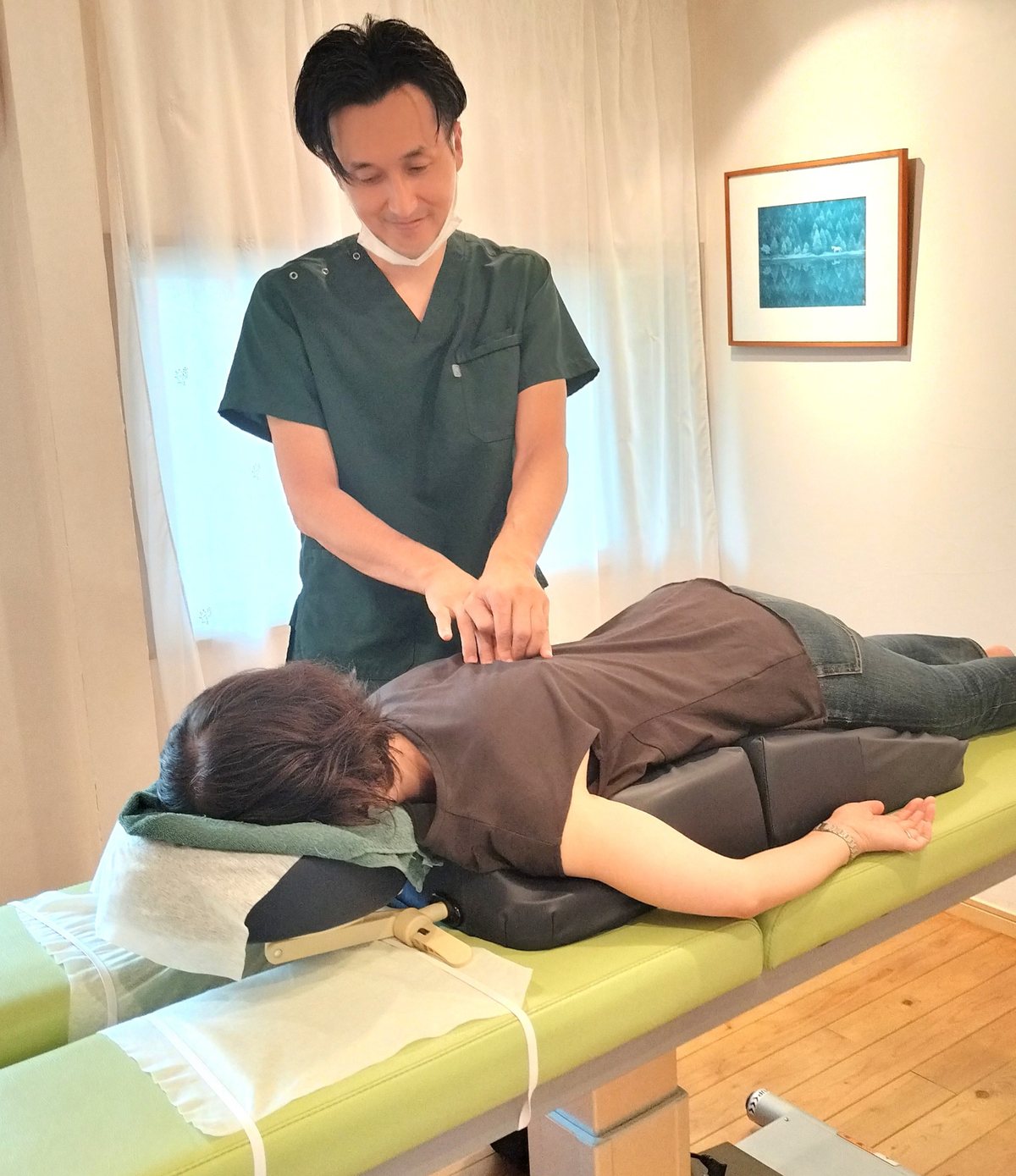
During pregnancy and after childbirth, posture, center of gravity and the load placed on muscles and joints can change considerably.
We support concerns involving the lower back, pelvis, hips, upper back, neck and shoulders during pregnancy, as well as postpartum conditioning, while taking each stage of pregnancy and recovery into account. For more than 20 years, obstetricians and midwives have referred patients to our clinic for musculoskeletal concerns during pregnancy and after childbirth.
We consider the stage of pregnancy and your current condition, and choose positions and approaches that are appropriate and comfortable for you.
Sports & Junior Athletes
From managing pain to helping the body stay active in sport over the long term.
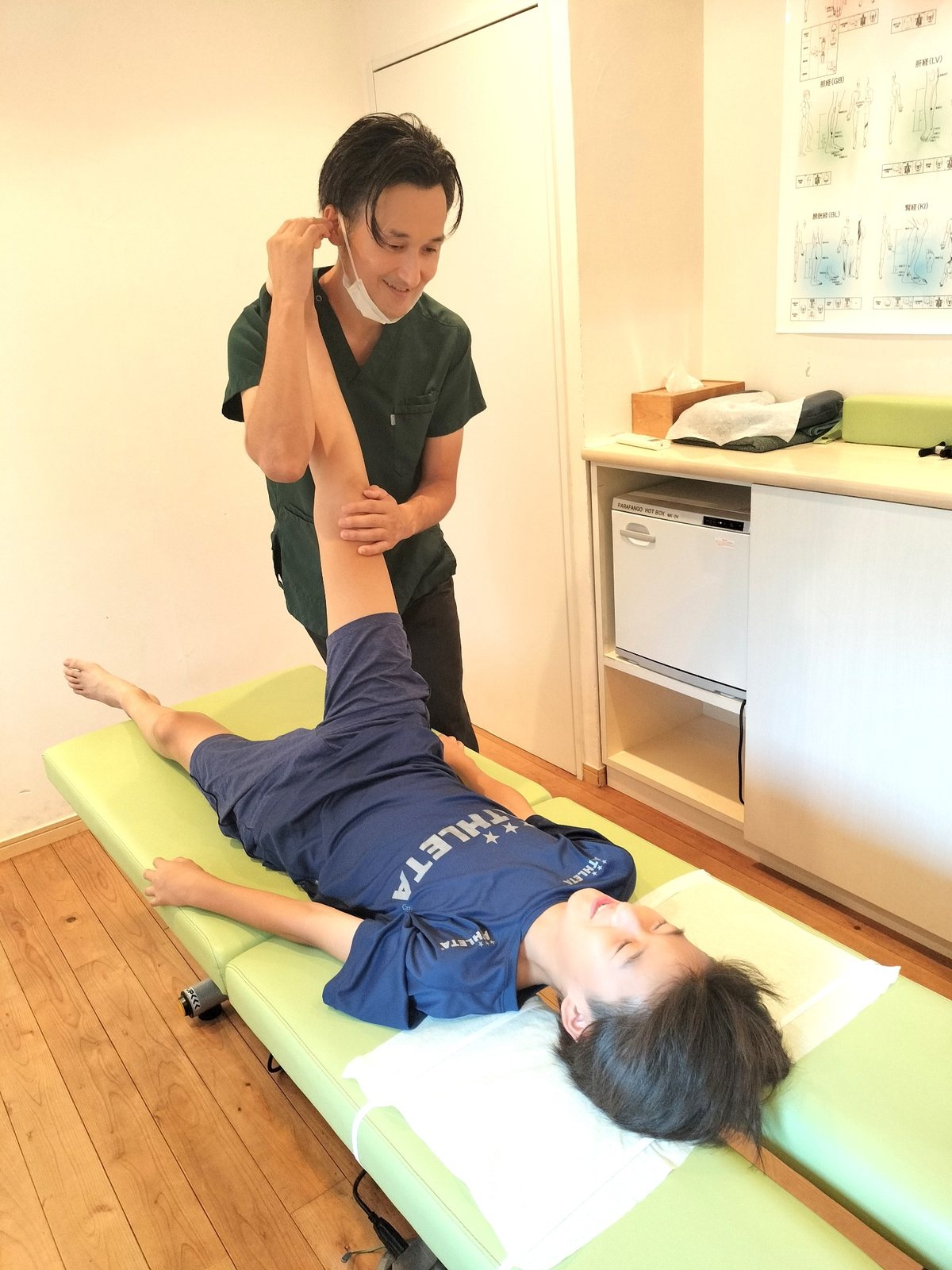
In sport, it is important to look beyond the painful area. Flexibility, joint range of motion, core function, balance, side-to-side differences and the way the body coordinates movement can all matter.
We have also supported people with ankle sprains, meniscus or cruciate ligament injuries, shoulder and elbow problems, and physical-function needs after surgery or rehabilitation, while respecting the role of medical treatment and rehabilitation professionals.
For junior athletes, we do not view a growing child simply as a smaller adult. We assess the body as a body that is still developing.
Pediatric Development & Physical Function
Supporting a child’s ability to use their body in ways that match their stage of development.
From infancy through the school years, we may assess posture, core control, balance, bilateral coordination, eye-body coordination and basic movement patterns.
We have also supported the physical function and motor development of children with a range of developmental characteristics, including ASD (autism spectrum disorder), ADHD and developmental coordination disorder (DCD), including children referred by teachers and speech therapists.
We do not regard chiropractic care as a treatment for developmental disorders themselves. We assess how the child moves and combine appropriate approaches to joints and muscles with movement-based activities. We also consider the coordination between the nervous system and the body, with the aim of supporting physical function and motor development. When appropriate, this work is carried out alongside medical, educational and family support.
Health Maintenance & Physical Conditioning
You do not have to be in pain to pay attention to your body.
We do not see chiropractic care as something that is relevant only when pain is present. Many people visit us even when they do not have strong symptoms, with the aim of maintaining a good physical condition or receiving regular conditioning.
We may assess joint movement, muscle tension, flexibility, posture, asymmetry and movement patterns, and suggest exercises or self-care when appropriate.
Care does not have to begin only after something hurts. Looking after the body you have now and preserving a good condition are also valid reasons to visit us.
Better Physical Function & Performance
From simply “not being in pain” to moving more freely and confidently.
Being free from pain and functioning at your best are not necessarily the same thing.
You may want to move more easily, remain active as you get older, enjoy your hobbies or sport more fully, or feel in better condition for work and everyday life.
For these goals, we may assess flexibility, stability, core function, balance, nervous-system performance and side-to-side differences. When appropriate, we combine mobility work, stretching, core exercises and balance training as we work together toward better physical function for you.
Our Approach to Chiropractic Care
We look beyond the place that hurts.
For example, when someone has knee pain, the knee may not be the only area contributing to the problem. Hip mobility, ankle movement and core stability can all affect the load placed on the knee.
In the same way, with symptoms involving the lower back, shoulder, wrist or other areas, we consider the problem within the context of the body as a whole.
Understanding your body first, then choosing care for you.
Before providing care, we first try to understand your body. We listen to the history of your symptoms and the context of your daily life and, when appropriate, assess posture, joint movement, muscles, strength, neurological function, balance and movement patterns.
Care does not begin with a technique. It begins with assessment.
Every person is different in age, physical condition, symptoms and goals. For that reason, we do not provide exactly the same care to everyone. Based on what we find, we may combine:
- Chiropractic approaches to joint function
- Soft-tissue and muscular approaches
- Joint mobilization
- Stretching
- Taping when appropriate
- Exercises designed to support physical and neurological performance
We observe how your body responds and select the type and amount of input that is appropriate for you.
Care does not end when the session ends — daily habits shape the body.
Improving physical condition is not only about what happens during the time you are in the clinic. How you use your body in everyday life also matters.
To help you maintain a good condition after your session and continue building a healthier body, we may suggest stretching, breathing, mobility work, core exercises, balance training, posture and movement strategies, and simple changes you can make in daily life.
Rather than giving you many difficult tasks, we value strategies that can realistically fit into your life and become sustainable habits. Good habits help build a healthier body over time.
For safe and appropriate care
If, during our initial assessment or at any point as care progresses, we identify findings that suggest medical diagnosis, imaging, further examination or specialist treatment may be more appropriate, we may recommend that you consult an appropriate medical professional or return for medical reassessment.
Determining whether chiropractic care remains appropriate at each stage is an important part of providing safe care.
Your First Visit
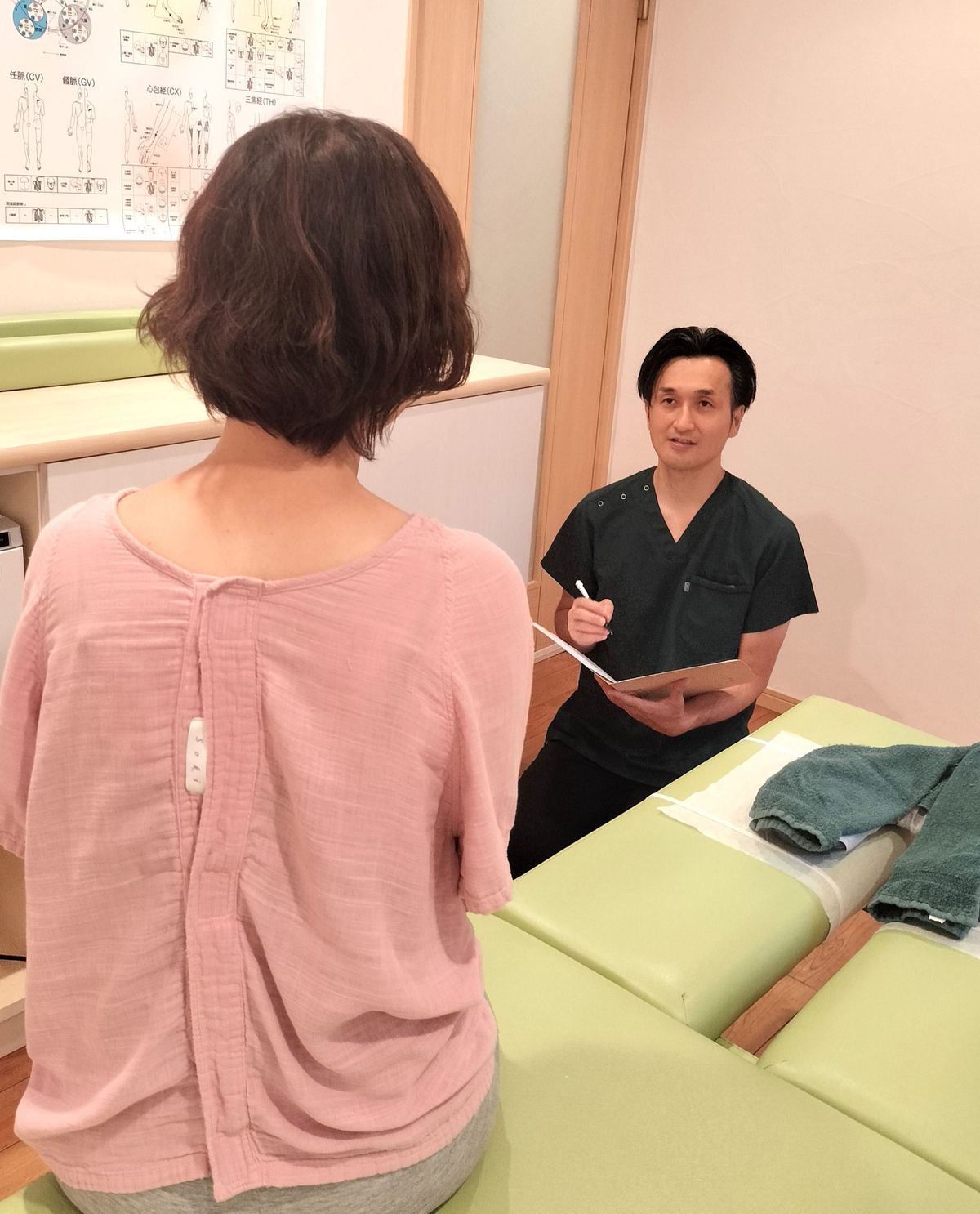
1 | We listen.
Using your intake form as a starting point, we take time to hear about your symptoms, how they developed, and the context of your daily life. If your clothing is comfortable for treatment, you may remain in it. Gowns and pants are also available at the clinic when needed.
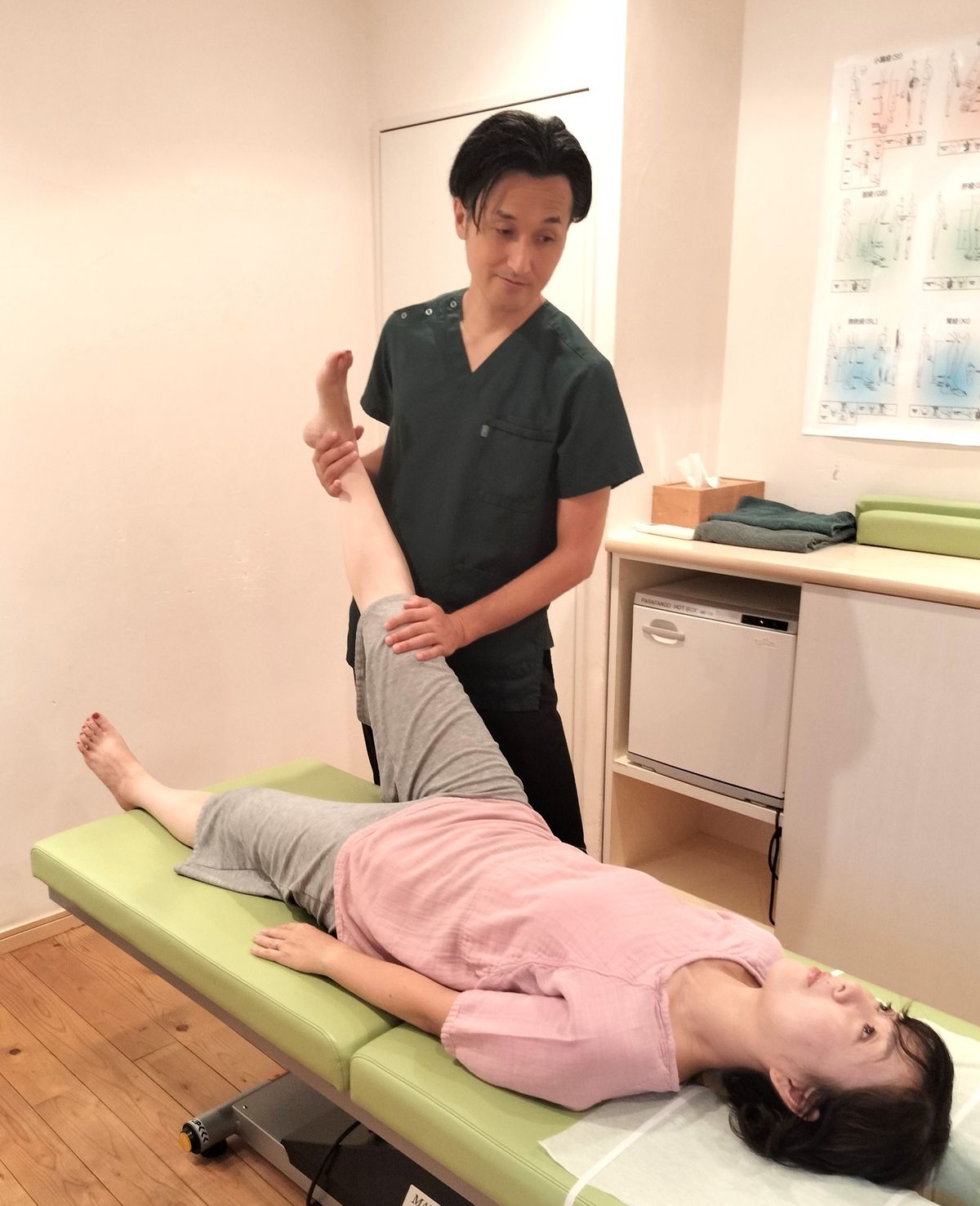
2 | We assess your body.
Based on what we have discussed, we carry out appropriate examinations and assess your current physical condition. We also consider whether chiropractic care is appropriate for you.
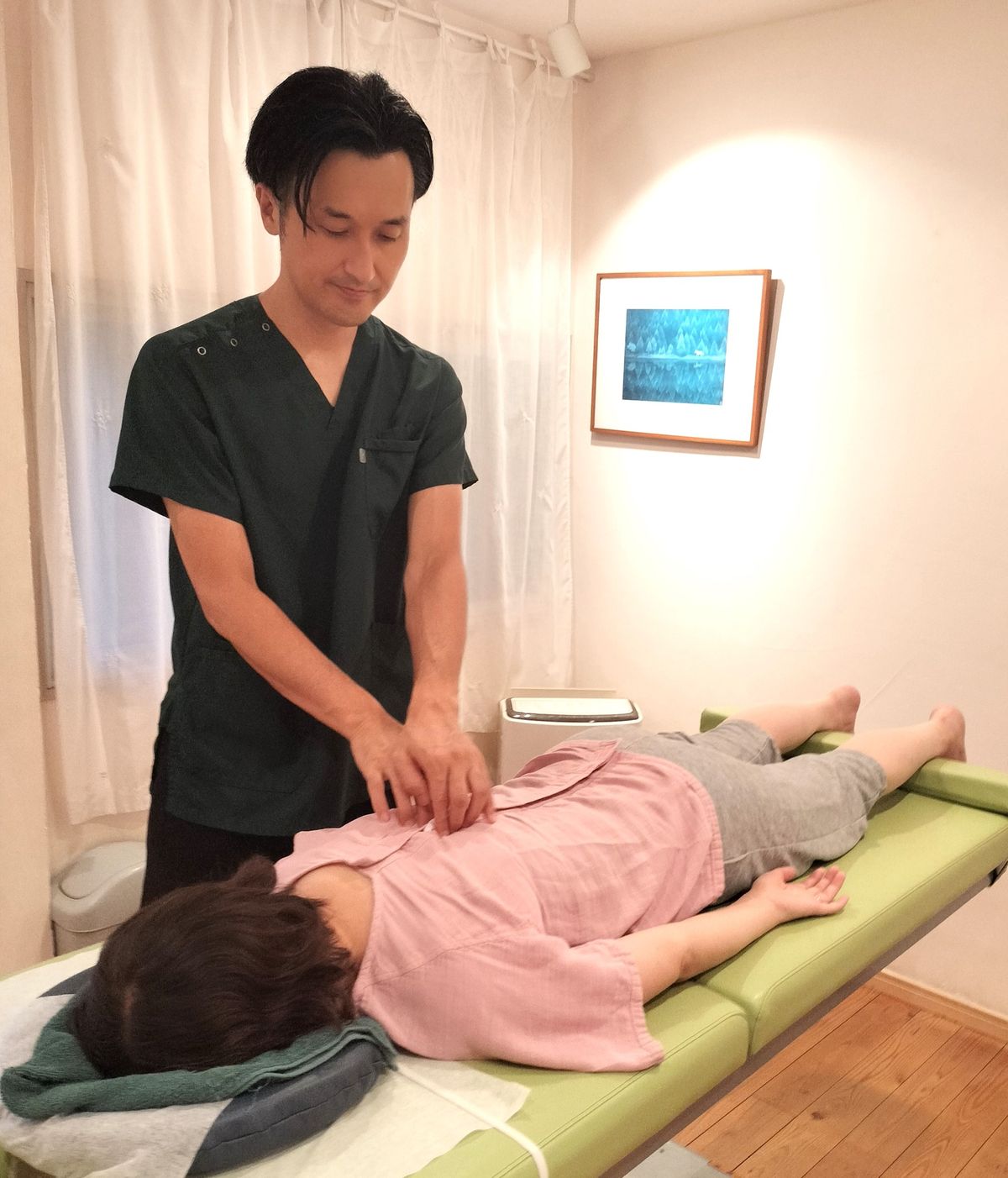
3 | We provide care.
We assess the alignment and movement of the spine and individual joints, including areas that feel stiff or move freely, and provide gentle care while observing how your body responds.
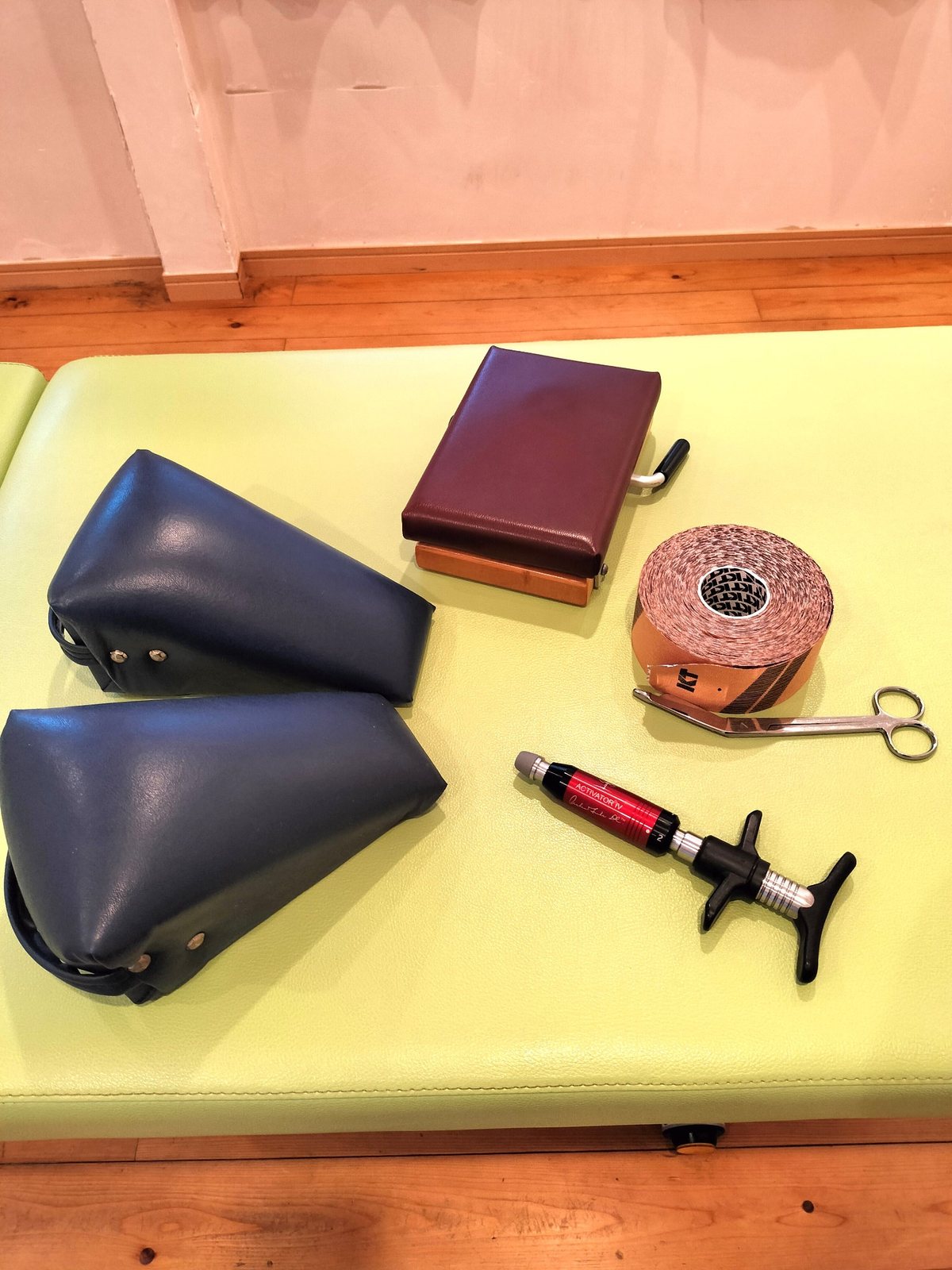
4 | We look at the whole body.
We look not only at the spine but also at the mobility of each joint, muscular flexibility and stability, and the condition of the fascia and other soft tissues. Taping or treatment equipment may be used when appropriate.
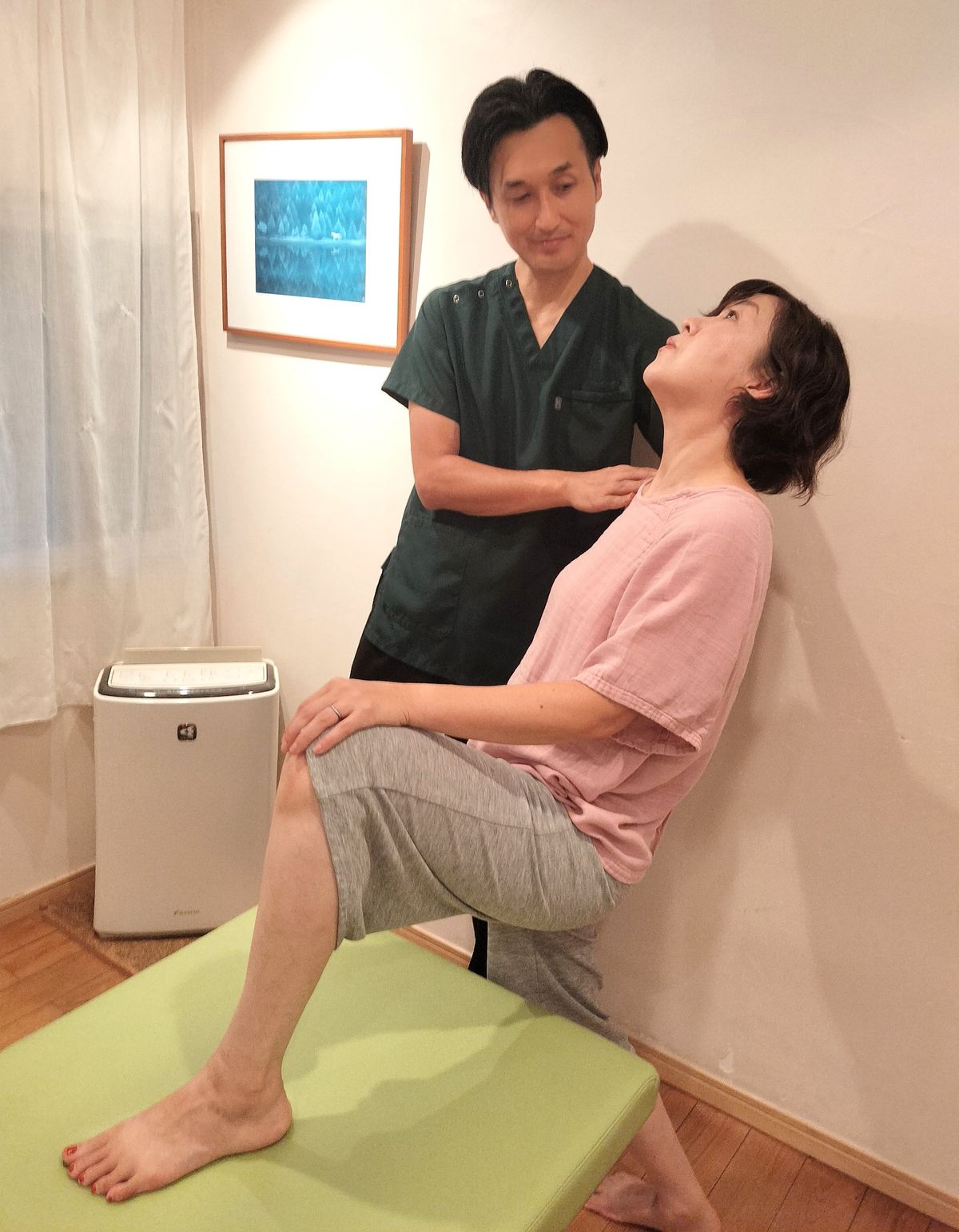
5 | We suggest self-care.
To help maintain a good condition after your session and support your body in everyday life, we may suggest exercises and practical changes to your environment. Good habits help build a healthier body.
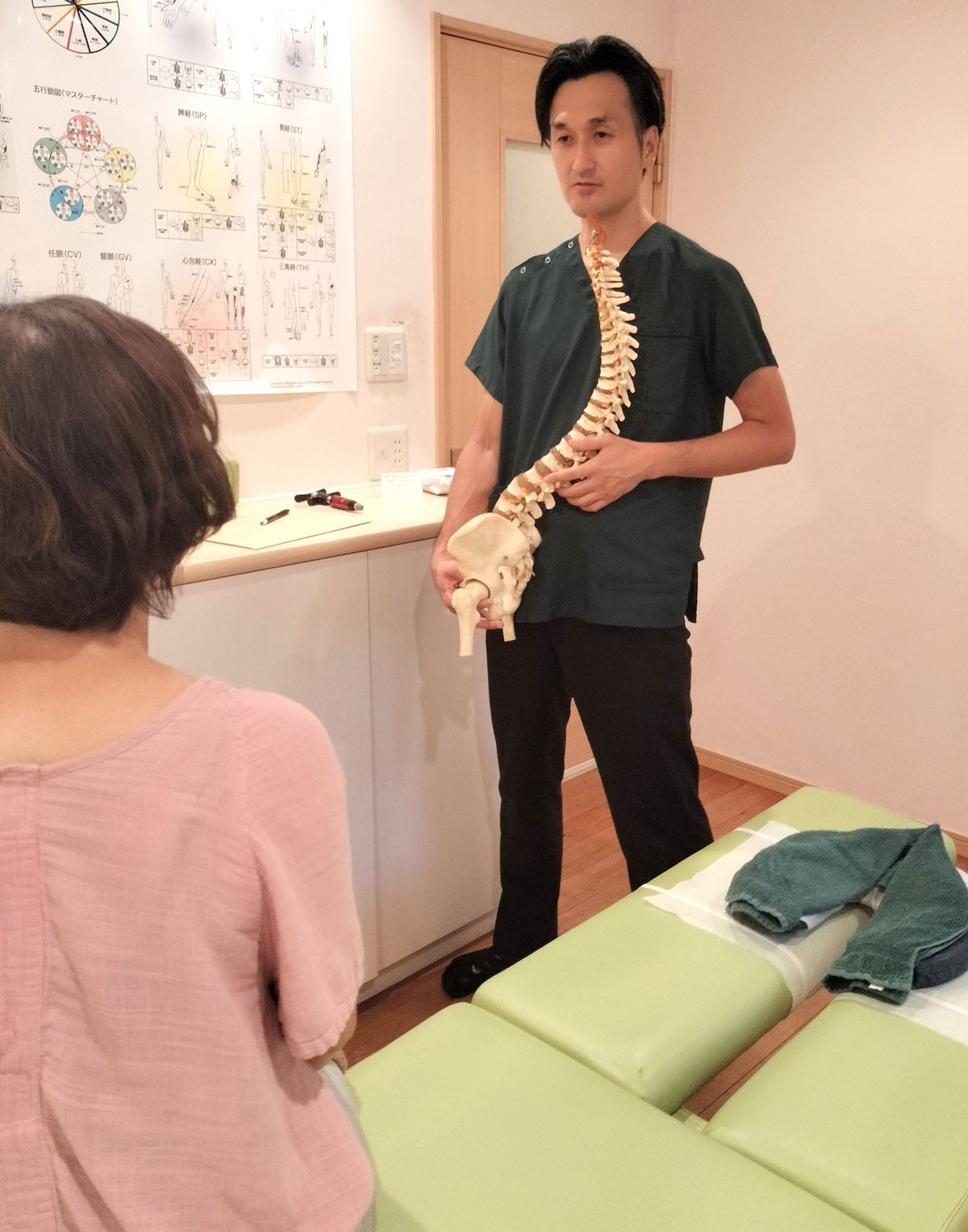
6 | Care is based on your goals.
People come to us for many different reasons, including symptom improvement, referral from a medical professional, prenatal or postpartum care, and health maintenance. We provide care according to your individual goals.
Please allow approximately 60 minutes for your appointment.
Hiroshi Yamada, B.App.Sc., B.C.Sc.
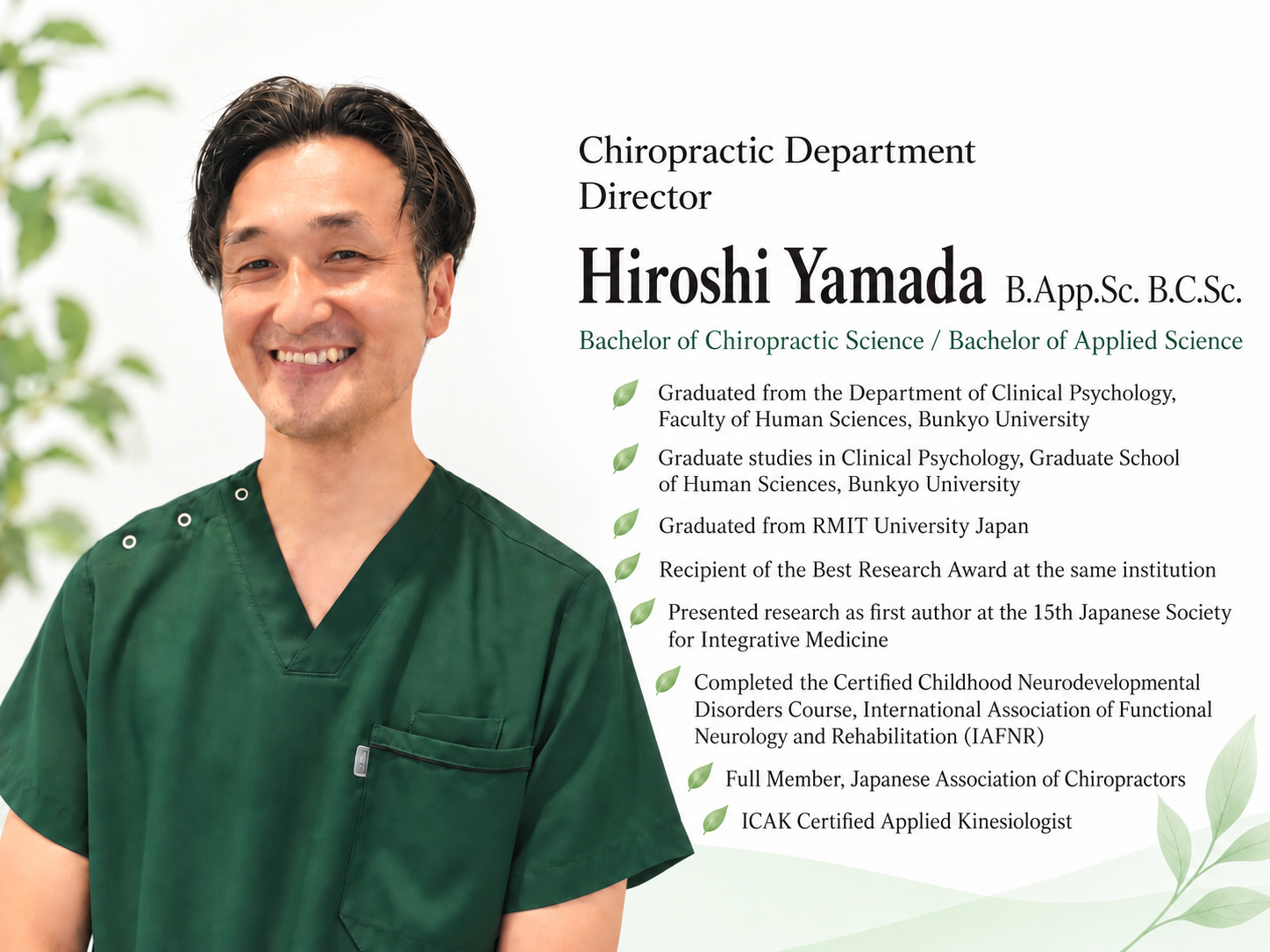
What matters to me in practice is not only looking at a symptom, but seeing the person who is experiencing that symptom.
Even when two people both have lower-back pain, the life that led to it may be completely different: their work, sport, daily routines and the way they use their bodies. By listening, observing movement and using hands-on assessment, I try to understand how each person has used their body over time.
To me, this is also a way of listening to the path that person has taken through life. I want to work with you to consider what may help you understand and care for your body while continuing to live in a way that feels true to you.
I have provided care for a wide range of people, from newborn babies to people over 90 years of age, including pregnant and postpartum patients, people seeking general care, and people who participate in sports.
Activities at The Montessori School of Tokyo (MST)
At The Montessori School of Tokyo (MST), I lead exercise classes that support children's physical function and motor development, as well as wellness exercise classes for faculty members. The exercises are selected according to age and individual goals, with an emphasis on helping people use their bodies more effectively.
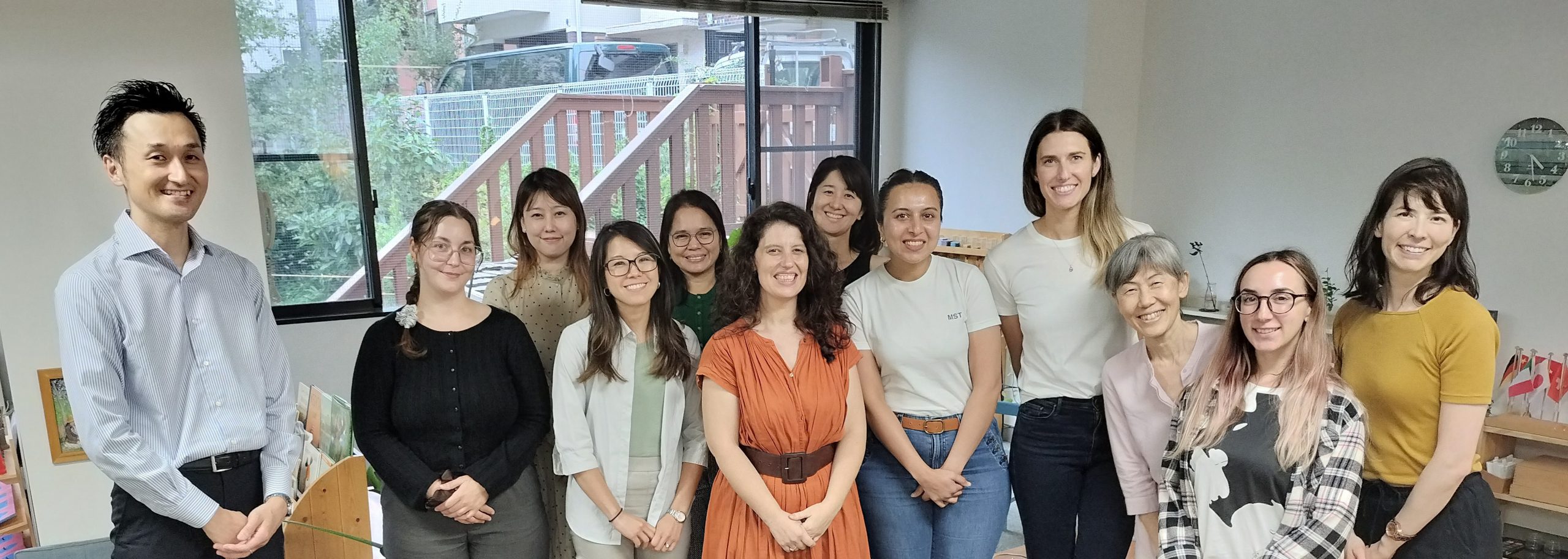
I am grateful for each encounter and for the trust that people place in our clinic.
We have also cared for international patients for many years.

In Brazil, chiropractic is included among the integrative and complementary practices offered within the public health system (SUS), and it is also recognized as a specialty within physiotherapy. Regulation of chiropractic as an independent profession is still under consideration.
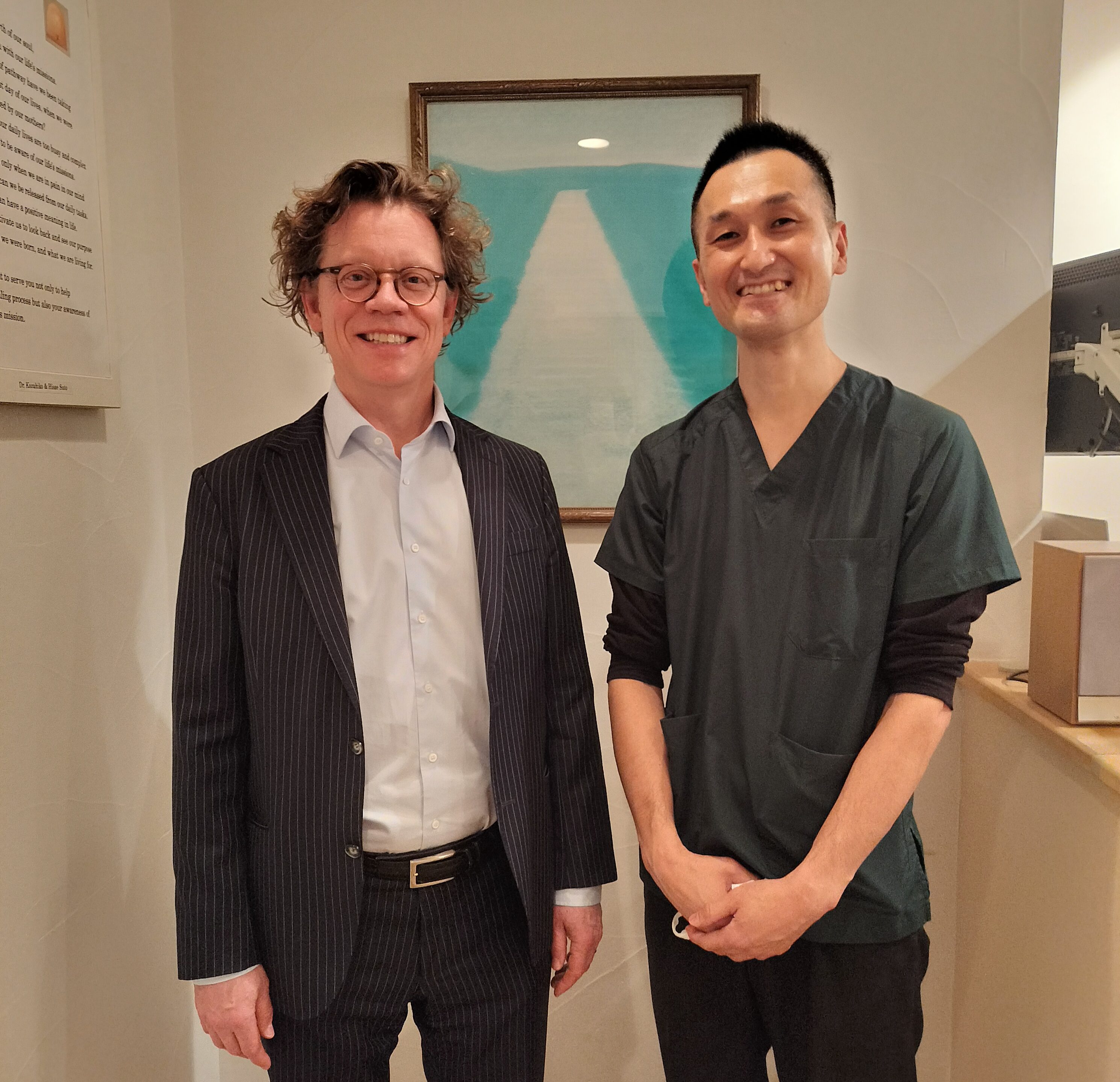
In Sweden, chiropractors are licensed healthcare professionals, and the professional title is protected by law.
Consultations, explanations and chiropractic care are available in English.
Whether you are in pain or not.
When something in your body is troubling you.
When you want to understand your physical condition better.
When you want to perform better in sport, work or daily life.
And sometimes, simply when you want to take better care of your own body.
We hope you can use our clinic as a place to understand, care for and reconnect with your body.
I hope I can support you in that process.
If you would like to talk about what is happening with your body, please feel free to contact us.